Areas of Expertise — Nice and Geneva

Periodontology, Implantology & Oral Surgery

Dr Sylvain Mouraret’s practice focuses on three complementary surgical disciplines in Nice and Geneva. He welcomes patients referred by their dentist as well as those who contact him directly; routine dental care continues to be provided by their regular dentist.
01 — Gums and Supporting Bone

Periodontology

Periodontology focuses on the tissues that support the teeth: the gums, bone and periodontal ligament. The aim is to halt periodontal disease, stabilise the teeth and maintain these results over time through regular follow-up care.

Treatments Provided

  • Non-surgical therapy
  • Periodontal surgery
  • Tissue regeneration
  • Bacterial analysis
  • Plastic periodontal surgery
  • Root coverage procedures
  • Gingival graft
  • Periodontal supportive therapy
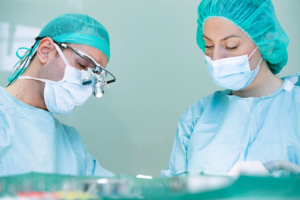
Chirurgie parodontale réalisée par le Dr Sylvain Mouraret
Planification implantaire sur examen cone beam.

02 — Remplacer les dents

Implantology

Replacing one or more teeth with dental implants begins with careful planning: three-dimensional imaging (CBCT), assessment of bone volume and planning of the final restoration before any surgery.

Treatments Provided

  • Single or multiple dental implants
  • Immediate implant placement
  • Immediate loading
  • Full-arch rehabilitation
  • Implants in the aesthetic zone
  • Treatment of peri-implantitis
  • Management of implant failures

03 — Bone and oral tissues

Oral surgery

Procedures involving the bone and oral tissues, often to prepare for implant or orthodontic treatment, or to address a condition that the patient’s regular dentist prefers to refer to a surgeon.

Treatments Provided

  • Graft and bone regeneration,
  • Sinus lift
  • Pre-prosthetic surgery
  • Impacted teeth
  • Complex extractions
  • Orthodontic anchorage
  • Cysts
  • Frenectomy
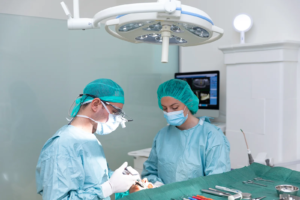
Intervention de chirurgie orale par le Dr Sylvain Mouraret.

Frequently asked questions

Your questions, his answers

The consultation

Do I need a referral from my dentist to book a consultation?

No. Many patients are referred by their regular dentist, but you can also book an appointment directly. In both cases, Dr Mouraret keeps your regular dentist informed of the diagnosis and the treatment provided.

What happens during the first consultation?

The consultation begins with a comprehensive clinical examination to assess the gums and bone, with X-rays or three-dimensional imaging (CBCT) if needed. Dr Mouraret then explains the diagnosis and available treatment options. A treatment plan and detailed cost estimate are provided before any treatment begins.

Are the same treatments available in Nice and Geneva?

Yes. The same practitioner provides the same treatments in both cities. Only the insurance coverage arrangements differ. In France, some procedures are reimbursed by the statutory health insurance system and supplementary health insurance. In Switzerland, basic health insurance (LAMal) generally does not cover dental care, although supplementary insurance may contribute to the cost.

Periodontology

What signs should prompt you to see a periodontist?

Gums that bleed when brushing, swelling or redness, persistent bad breath, receding gums, or teeth that become more sensitive, loose or shift position. These signs may indicate periodontal disease, which is often painless in its early stages: seeking advice early is best.

Can periodontitis be treated?

Periodontitis is a chronic disease, but it can be stabilised. Treatment eliminates the infection and allows the tissues to heal. Lost bone does not grow back spontaneously, but it can be regenerated in certain cases. Regular follow-up care, known as supportive periodontal therapy, is then essential to maintain the results.

Implantology

Can I have a dental implant if I don’t have enough bone?

Often, yes. When bone volume is insufficient, bone grafting, bone regeneration or a sinus lift in the upper jaw can help rebuild the bone needed. Three-dimensional imaging (CBCT) provides a precise assessment of the available bone and helps determine the most suitable technique.

Is dental implant placement painful?

The procedure is performed under local anaesthesia and is painless. After-effects are usually mild: some discomfort and swelling for a few days, well controlled with standard painkillers.

How long does dental implant treatment take?

After placement, the implant needs to integrate with the bone: this process, called osseointegration, usually takes three months, sometimes longer following a bone graft. In suitable cases, a temporary tooth can be fitted on the same day: this is known as immediate loading.

What is peri-implantitis?

It is inflammation of the tissues around an implant, accompanied by bone loss: the implant equivalent of periodontitis. Treatment involves thorough cleaning and, if necessary, surgery. Good oral hygiene and regular follow-up care remain the best prevention.

Oral surgery

Do wisdom teeth always need to be removed?

No. Removal is recommended when a wisdom tooth causes infections, tooth decay, a cyst or discomfort, or when required as part of orthodontic treatment. The decision is made following a clinical examination and X-rays.

Consultations

Book a consultation in Nice or Geneva

At the 47VH practice in Nice and the three Névé clinics in Geneva: Plainpalais, Pont-Rouge and Nations